Two Weeks in China: The North-to-South Route (14 Days)
A 14-day China itinerary — Beijing, Xi'an, Chengdu, Guilin, Yangshuo and Shanghai — with real train times, ticket prices, the visa rule for two weeks and a full budget.

Plan at a glance
- Best time
- April–May and September–October
- Suggested stay
- 14 days
- Region
- North to south, one line
- Visa shortcut
- Most nationalities can enter visa-free for up to 240 hours in transit — see the guide
Two weeks in China changes one thing before it changes anything else: the visa. Fourteen days is 336 hours, and the 240-hour transit exemption runs out at ten days. So this route cannot use it. You need the 30-day visa-free entry or a tourist visa — check which scheme applies to your passport before booking anything non-refundable.
Past that gate, two weeks buys a line rather than more days in the same cities. The route runs south: Beijing, Xi’an, Chengdu, the karst country around Guilin, then Shanghai for the flight home. Rail does the first half well, flying does the second half, and the two together turn what would be several wasted days into time on the ground.
The route at a glance
| Stop | Days | Base | Transport in/out |
|---|---|---|---|
| Beijing | D1–D4 | Wangfujing / Qianmen | Fly in |
| Xi’an | D5–D6 | Bell Tower | HSR 4.5–6 h (¥515–618) |
| Chengdu | D7–D9 | Chunxi Road | HSR 3.5–4.5 h (¥263–316) |
| Guilin, then Yangshuo | D10–D12 | Guilin city, then Yangshuo | Flight 1 h 45 m (TFU→KWL) |
| Shanghai | D13–D14 | People’s Square | Flight 2 h 30 m (KWL→PVG/SHA) |
| Fly home | D14 | — | From PVG |
Each stop has its own guide: Beijing, Xi’an, Chengdu, Guilin, Shanghai.
Day by day
Day 1 — Arrive Beijing
Land, set up payments, metro or Didi in. Dinner near Qianmen, Tiananmen Square at night, sleep early.
Day 2 — The imperial axis
Temple of Heaven at opening, then the Forbidden City south to north — booked seven days ahead or not at all. Jingshan Park for the rooftop view, Peking duck after.
Day 3 — The Great Wall
Mutianyu, self-guided: bus or Didi out, cable car up, walk east from tower 14 toward 20, toboggan down. Hutong evening.
Day 4 — Beijing, deeper
Summer Palace in the morning, the Drum Tower hutongs in the afternoon, an early night. You have a train to catch and three cities still ahead of you.
Day 5 — Bullet to Xi’an
Morning train from Beijing West, 4.5–6 hours, ¥515–618 second class. Afternoon on the City Wall by bike — the full loop is 14 km and golden hour is the time to do it. Dinner in the Muslim Quarter: roujiamo, biangbiang noodles, pomegranate juice.
Day 6 — The Terracotta Army
Early start for the Terracotta Warriors, Pit 1 first with a guide if you want one. Back by mid-afternoon for the Shaanxi History Museum or the Big Wild Goose Pagoda, and a Tang show if you fancy spectacle.
Day 7 — Bullet to Chengdu
Train from Xi’an North to Chengdu East, 3.5–4.5 hours, ¥263–316. Arrive early afternoon, walk the People’s Park tea houses, then hotpot — order 微辣 (wēi là) if you want to taste anything tomorrow.
Day 8 — Pandas at dawn, then nothing
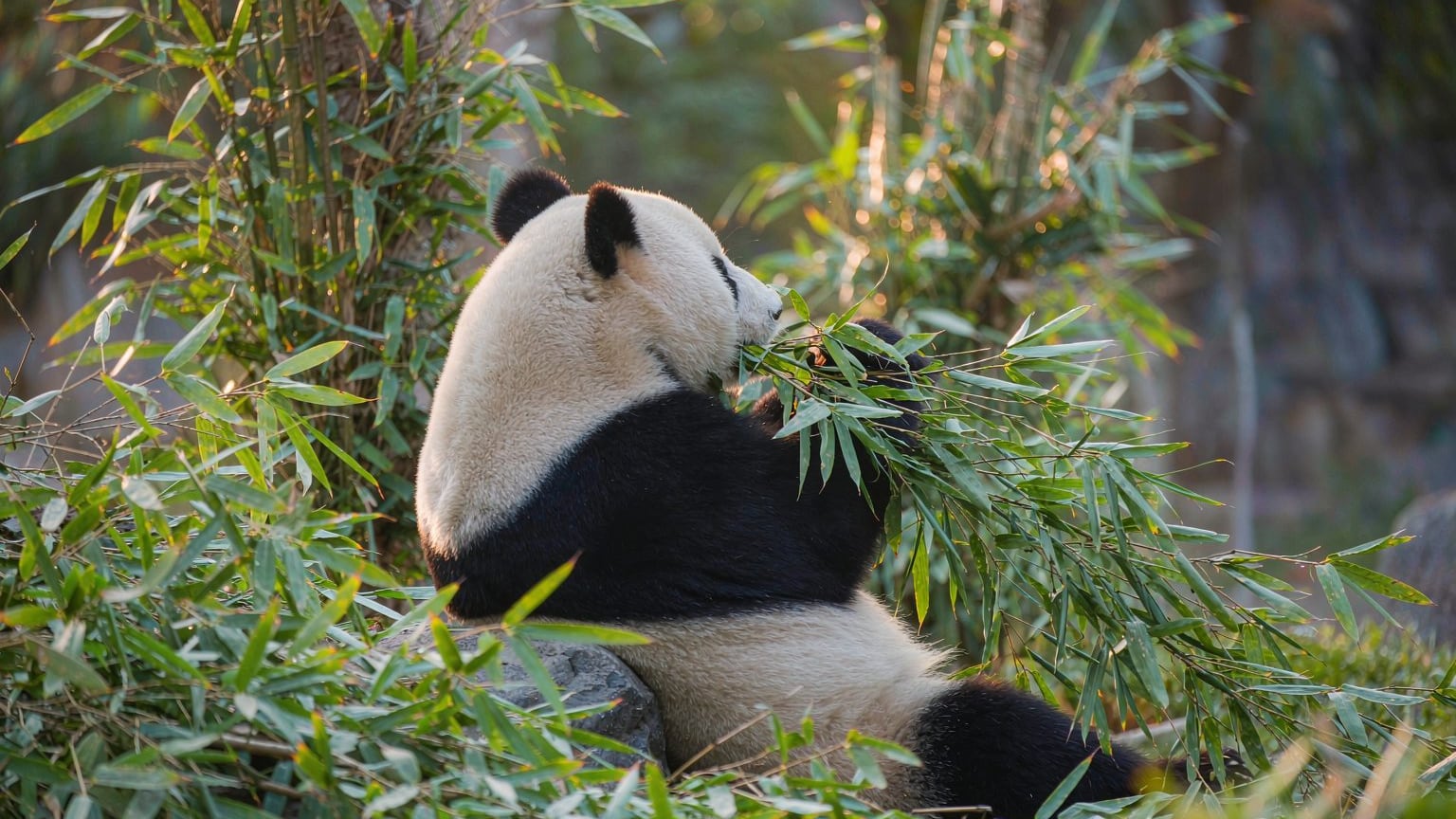
The Chengdu Research Base of Giant Panda opens at 07:30 from March to October, and pandas eat and wrestle until about 10:30 before the heat sends them indoors. Adult tickets are ¥55, booked online up to 14 days ahead with your passport — there is no ticket window. The grounds are big, so buy the ¥30 all-day shuttle. Metro Line 3 to Panda Avenue, exit D, then the ¥2 shuttle.
Spend the rest of the day slowly. Chengdu is the first place on this route where the point is not the sightseeing.
Day 9 — Leshan, from the water
High-speed train to Leshan, 46 minutes to 1 h 20 m, ¥54. The giant Buddha is carved into the cliff where two rivers meet, and the 30-minute boat ride (¥70) is the better view — you see the whole figure at once instead of queueing down a staircase beside its ear. The walk-in ticket is ¥80 with timed entry, open 07:30–18:30.
Back in Chengdu by evening. If you would rather not travel, swap in the Sichuan Opera.
Day 10 — Fly south to Guilin
Chengdu Tianfu to Guilin, 1 h 45 m. Budget ¥430–1,060 depending on how early you book, and book it with the trip, not a week out. Afternoon in Guilin itself: the two rivers and four lakes are walkable after dark, and the rice noodles are the local breakfast, served dry with broth on the side.
Day 11 — The Li River to Yangshuo
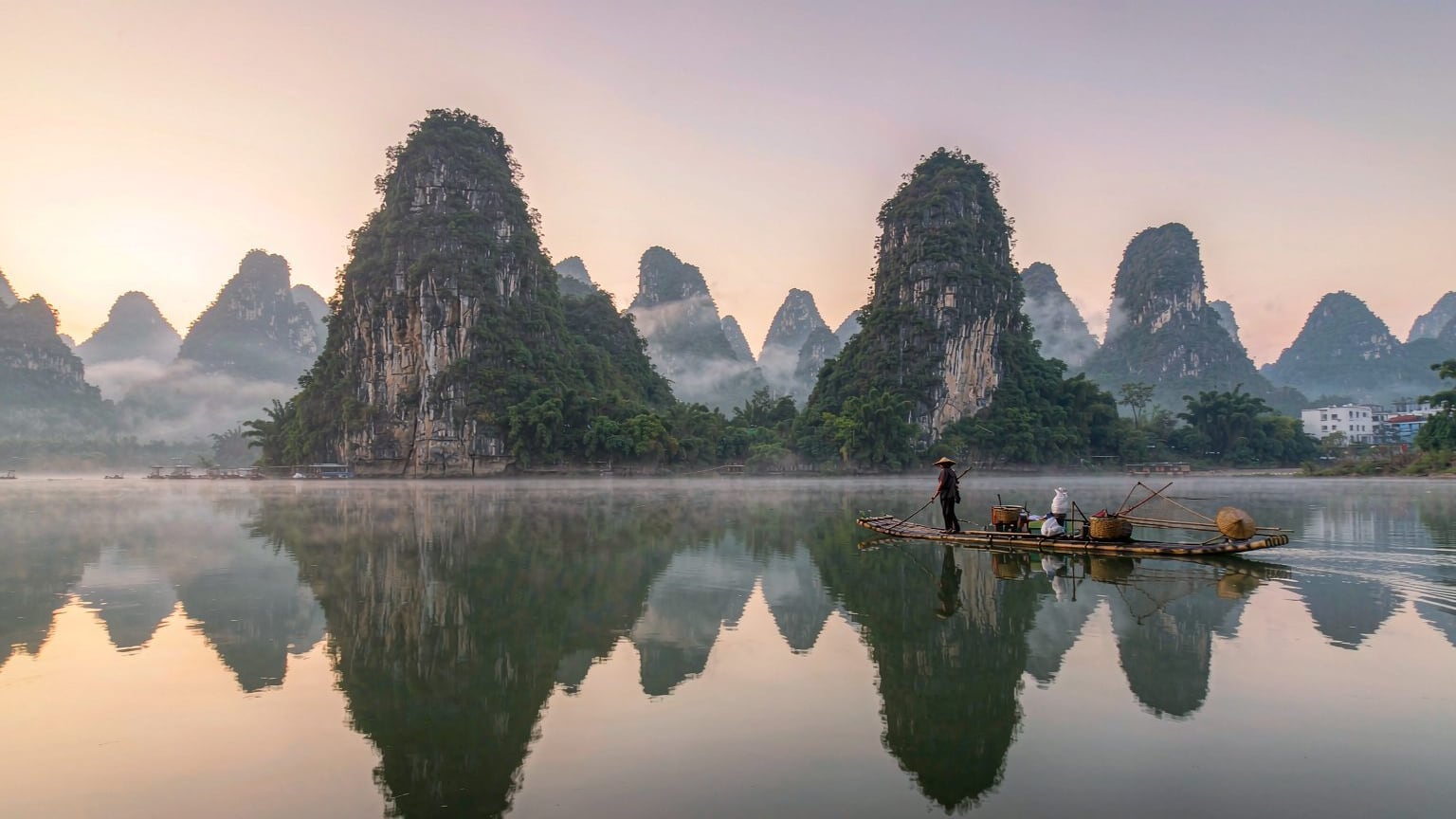
The reason you came south. Boats leave in the morning from the Mopan Shan and Zhujiang piers in Guilin, and there are two classes worth knowing:
| Boat | Price | What you get |
|---|---|---|
| Three-star | ¥215 | Air-conditioned cabin, open top deck, buy lunch on board |
| Four-star | ¥360 | Wider seats, buffet lunch included |
Either way it is about 4.5 hours to Yangshuo, past the peaks on the ¥20 note. Tickets are real-name and should be booked at least a day ahead. Afternoon: taxi to Xingping for the viewpoint itself, then back to sleep in Yangshuo.
Day 12 — Yangshuo countryside
Rent a bike or scooter and get out of town — the karst is a rural landscape, not a viewpoint. The Yulong River is the quiet one, with bamboo rafts and no engines. Xianggong Hill at sunrise if you are up for the 4:30 alarm, which is what the postcard shot costs.
Day 13 — Fly to Shanghai
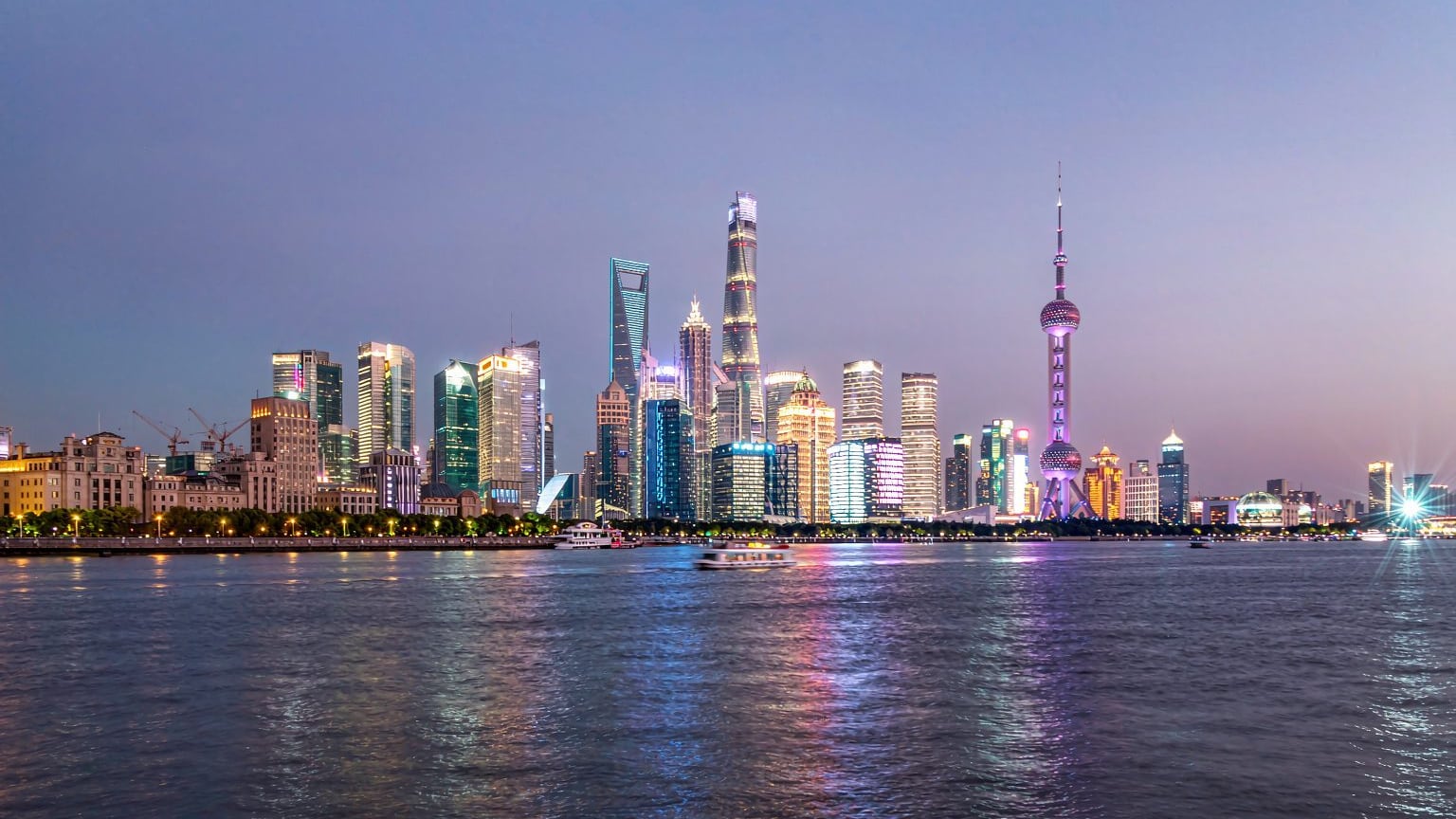
Guilin to Shanghai, 2 h 30 m, ¥365 and up. Afternoon train from the airport into the city, check in near People’s Square, and take the Bund as the light goes down.
Day 14 — Shanghai, then home
Yu Garden before 10:00, the former French Concession after, then the maglev from Longyang Road to Pudong — 431 km/h, eight minutes, ¥50. Three hours before a long-haul flight.
The booking order
- Long-haul flights — Beijing in, Shanghai out.
- Both internal flights — Chengdu→Guilin and Guilin→Shanghai. These climb fastest and rise steeply around public holidays.
- Beijing→Xi’an and Xi’an→Chengdu trains — open about 15 days out.
- Forbidden City (7 days out) and the panda base (up to 14 days out). Both genuinely sell out, and neither has a walk-up window worth relying on.
- Li River boat at least a day ahead, then Leshan boat, Shanghai Tower and hotels. Hotels must accept foreign passports — see how to check.
Budget math (mid-range, per person)
| Item | Cost (CNY) |
|---|---|
| Hotels, 13 nights | ¥5,200–7,800 |
| High-speed rail, three legs | ¥900–1,050 |
| Internal flights, two legs | ¥800–2,100 |
| Attractions and shows | ¥1,200–1,800 |
| Food | ¥2,800–4,200 |
| Local transport and Didi | ¥700–1,200 |
| Total | ~¥11,600–18,200 (~$1,730–2,720) |
Two internal flights are what lift this above the usual per-day band. The tier-by-tier breakdown is in what China actually costs.
Checklist before takeoff
- Entry rule confirmed — which scheme your passport qualifies for
- Internal flights booked with the trip, not late
- Alipay or WeChat Pay linked to a card (setup guide)
- Travel eSIM installed (connectivity guide)
- Apps: Amap, Trip.com, Didi, a translation app
- Real-name bookings calendared: Forbidden City, pandas, Li River
Where this fits
Fourteen days is enough to stop racing. If two weeks is more time than you have, the 10-day golden triangle covers Beijing, Xi’an and Shanghai, and the 7-day week does two cities without compromise. Both are also the routes that still work on the transit exemption, which this one does not. Then pick your months with when to visit — it decides price and crowds more than anything else on this page.
Frequently asked questions
Can I do 14 days in China visa-free?
Only on the 30-day visa-free list, or with a tourist visa. The 240-hour transit exemption runs to ten days, so it cannot cover fourteen — the exemption is the wrong tool for this trip. Check which scheme your passport qualifies for before booking.
Is two weeks enough for this route?
Yes, at four nights in Beijing and three each in Chengdu and Guilin and Yangshuo. It assumes two internal flights. Swap a flight for rail and you lose a day to the train.
What does 14 days in China cost?
Mid-range, per person: roughly ¥11,600–18,200 (about $1,730–2,720) on the ground excluding long-haul flights. The two internal flights and the number of paid attractions are what push it above the usual per-day band.
Should I add Zhangjiajie?
Not without taking a day from somewhere else. Zhangjiajie is a three-day detour that does not sit on this line — swap it for Guilin if the pillar landscape is what you came for, and read that guide before deciding.