What a Trip to China Actually Costs (2026 Prices)
Real numbers for a China trip — flights, high-speed rail, hotels, food and tickets — with three daily budget tiers and the specific things that blow a budget.
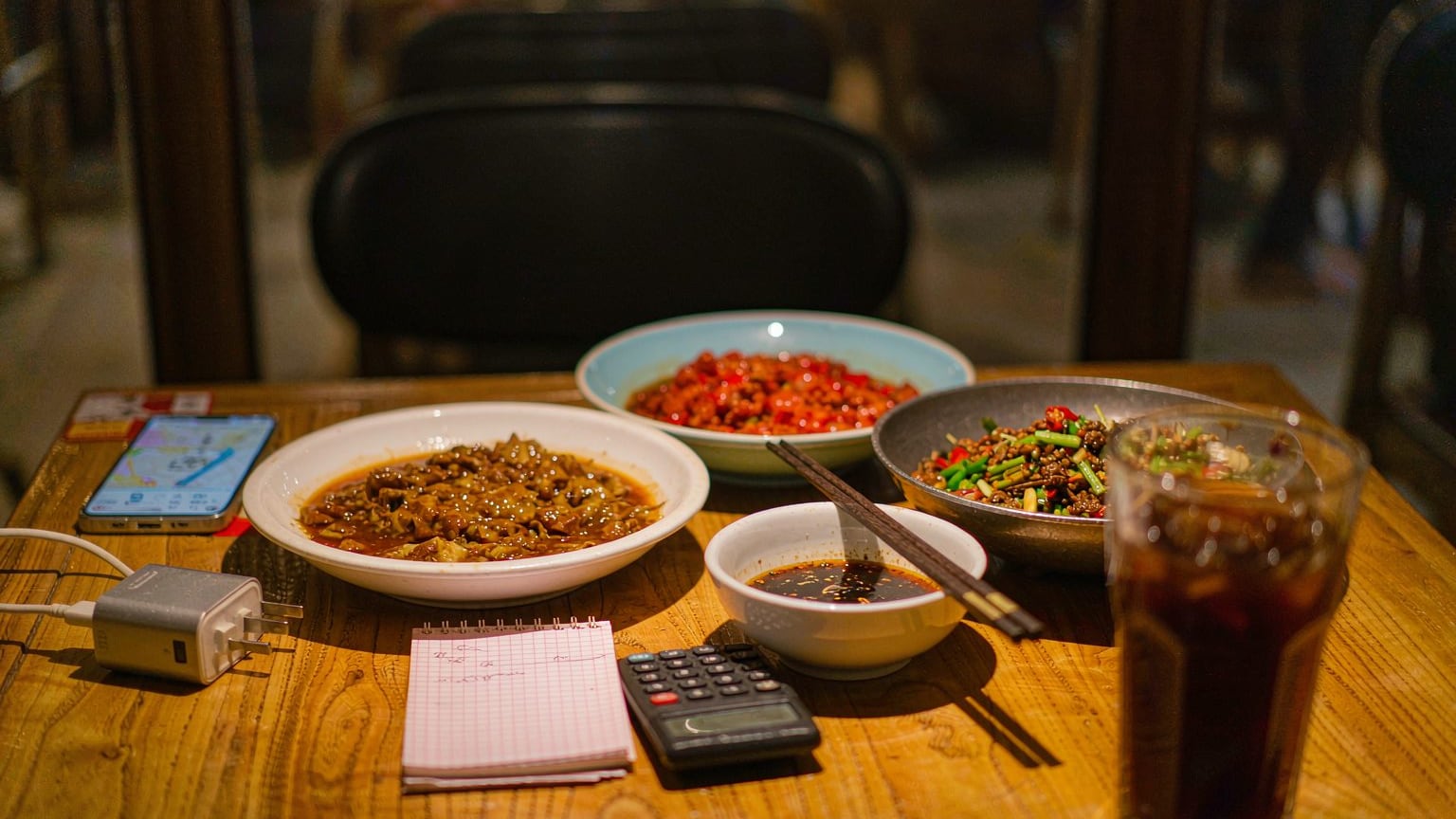
Most China budget guides hedge. Here are actual numbers, in yuan, for what things cost on the ground. For converting: the yuan sat near ¥6.7 to $1 and ¥7.6 to €1 in October 2026, but it moves — check the rate for your own dates rather than trusting any fixed figure.
Prices verified October 2026. Hotel and food bands drift slowly and stay usable for a year or so. High-speed rail fares are the volatile ones: China abolished fixed fares on its flagship lines and now prices dynamically.
The short version: China is cheap to travel in and expensive to fly to.
The three tiers, per person per day
Excluding flights. This is ground cost — accommodation, food, transport, tickets.
| Budget | Mid-range | Comfortable | |
|---|---|---|---|
| Per day, per person | ¥450–750 | ¥1,300–1,900 | ¥3,000+ |
| Where you sleep | Hostel dorm, ¥80–150 | 3–4 star, ¥400–700 | 5 star, ¥900–2,000 |
| Food | Street and canteens, ¥80–120 | Restaurant meals, ¥150–300 | Hotel and named places, ¥400+ |
| Local transport | Metro, ¥10–20 | Metro plus Didi, ¥40–80 | Private car, ¥300+ |
| Tickets | Free sights, ¥20–50 | Main sights, ¥80–160 | Add performances, ¥300+ |
For a 10-day trip at mid-range: ¥13,000–19,000 for one person, plus intercity rail.
Flights: the biggest line
Return long-haul to Beijing, Shanghai or Guangzhou runs $600–1,200 from Europe, and $800–1,500 from North America, depending on season and how far ahead you book.
Two things move the price more than anything else:
- Booking window. Three to five months out is the sweet spot for long-haul.
- Chinese New Year. The two weeks either side of it are the most expensive domestic travel window in the world’s largest travel market. See Chinese New Year travel.
High-speed rail: the hidden budget line
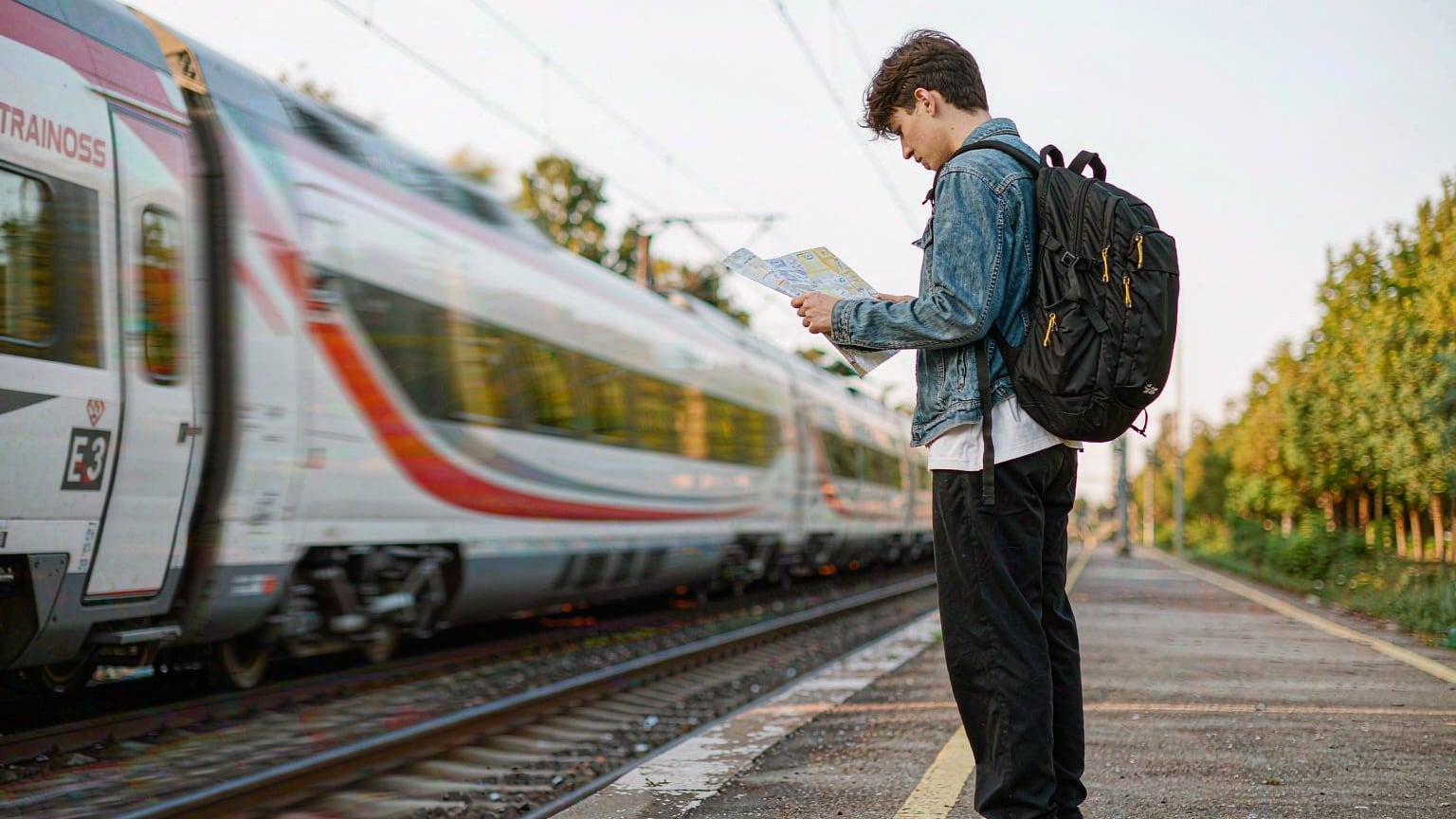
This is what catches people out. China’s high-speed network is superb and not free.
Fares are dynamic now — price the exact train
Until 2020 Beijing–Shanghai was a fixed ¥553. That ended. China Railways now runs flexible pricing (“灵活折扣、有升有降”) — a published ceiling, with every train discounted off it by season, day, departure time and seat class. In May 2026 the operator raised the published ceiling on the Beijing–Shanghai line by 20%, so the ceiling on that route is now about ¥794 second class. Actual ticket prices did not jump; they still land well below it.
The practical consequence: two trains leaving forty minutes apart can differ by 15%. Never budget from a single advertised fare.
Expect roughly ¥0.45–0.60 per kilometre in second class. Sampled October 2026:
| Route | Distance | Second class | First class |
|---|---|---|---|
| Beijing → Shanghai | 1,318 km | ¥598–661 | ¥1,005–1,095 |
| Beijing → Xi’an | 1,200 km | ¥515–618 | ¥836–988 |
| Chengdu → Chongqing | 308 km | from ¥154 | from ¥246 |
| Shanghai → Hangzhou | 169 km | from ¥73 | from ¥117 |
A classic first-timer loop — Beijing, Xi’an, Shanghai — costs about ¥1,500 per person in second class. Second class on Chinese high-speed rail is comfortable and airline-style. First class buys a wider seat and little else.
Booking, passport-as-ticket and the T-minus timeline are all covered in the high-speed rail guide.
Hotels
International-brand hotels in China are often cheaper than the same brand in Europe or Japan. Domestic chains are cheaper again and usually excellent.
- Budget hotels and hostels: ¥120–300
- Three star: ¥300–500
- Four star: ¥500–900
- Five star: ¥900–2,000, with real bargains outside Beijing and Shanghai
One catch worth knowing up front: not every hotel is licensed to accept foreign passports. It is a declining problem but still real outside major cities. See hotels for foreigners.
Food: where the money goes furthest
- Street and market food: ¥10–30 a dish
- Neighbourhood restaurant: ¥40–80 per person
- Mid-range restaurant: ¥80–150 per person
- High-end or hotel dining: ¥300+ per person
A bowl of noodles is ¥15. A full meal for two at a good local place is ¥120. You can eat extremely well on ¥150 a day, and it is genuinely hard to spend €80 on dinner outside a five-star hotel.
Attractions
Chinese state-owned attractions are cheap by international standards.
| Sight | Price |
|---|---|
| Forbidden City | ¥60 Apr–Oct, ¥40 Nov–Mar |
| Great Wall, Mutianyu | ¥45 plus ¥120 cable car |
| Terracotta Army | ¥120 Mar–Nov; ¥60–75 in winter |
| Zhangjiajie park | ~¥225 for the 4-day pass |
| West Lake, Hangzhou | Free |
| The Bund, Shanghai | Free |
Peak and off-peak pricing is common, so a winter trip can cost a third less at the same sights. Most major sites are real-name, online-only booking released about 7 days ahead, and the Forbidden City genuinely sells out — covered in the destination guides.
Getting online and paying
Two small costs that are easy to overlook:
- eSIM or travel SIM: roughly $17–27 for 10 GB over 30 days from the mainstream providers, and about $20–25 for 20 GB. It also sidesteps most of the connectivity problem — see staying connected.
- Payment setup: free. Link a foreign card to Alipay or WeChat Pay before you fly — payments guide.
Where budgets actually break
Four things, in order of how often they happen:
- Golden Week (first week of October) and Chinese New Year. Prices double for the same room. Avoid, or book months out.
- Booking rail late. Seats sell out on holiday routes, and the fallback is a flight at several times the price.
- Guided day tours booked abroad. Three to five times the price of the same thing arranged locally, for less freedom.
- Airport transfers. A taxi from Beijing Capital to the centre is about ¥100. A pre-booked “private transfer” from a Western site is often ¥400.
A worked 10-day example
Two people, mid-range, Beijing → Xi’an → Shanghai:
| Item | Per person |
|---|---|
| Return flights (Europe) | ~$850 |
| Hotels (9 nights, split) | ¥2,700 |
| High-speed rail (2 legs) | ¥1,069 |
| Food (10 days) | ¥2,200 |
| Attractions | ¥700 |
| Local transport | ¥300 |
| SIM and incidentals | ¥400 |
| Ground total | ~¥7,400 |
That is roughly ¥740 per day per person on the ground with hotels — comfortably inside the mid-range band, and about what a comparable trip through Western Europe would cost for food and transport alone.
Where this fits
Cost is a planning decision, not a travel one. Pair this with the best time to visit — timing moves hotel prices more than anything you can do on the ground — then start with the 10-day itinerary to see how the days map onto the budget.
Frequently asked questions
How much does a 10-day trip to China cost?
For one person, mid-range: roughly ¥1,300–1,900 (about $195–285) per day on the ground, so ¥13,000–19,000 for ten days, plus flights. Add ¥500–1,500 for intercity high-speed rail if you are moving between cities.
Is China expensive for tourists?
No. On the ground it is cheaper than Western Europe, Japan or the US for food and transport, and comparable for hotels. The expensive parts are long-haul flights and any tour you book in advance from abroad.
Do I need cash in China?
Almost none. Alipay and WeChat Pay handle everything, including street stalls, and you can link a foreign card. Carry ¥300–500 for the rare cash-only situation and for smaller attractions.
How much is high-speed rail?
Fares are dynamic, not fixed. For second class expect roughly ¥0.45–0.60 per kilometre. Sampled in October 2026, Beijing–Shanghai (1,318 km) ran ¥598–661 and Beijing–Xi'an (1,200 km) ¥515–618 depending on the train and how early you book. First class is roughly 1.6× second class.