The Best Time to Visit China: A Month-by-Month Reality Check
Pick your month by what you want to avoid, not what you want to see. Crowd calendars, regional weather, and the three weeks that can wreck a trip.
Most China travel advice tells you when the weather is nicest. That is the wrong question.
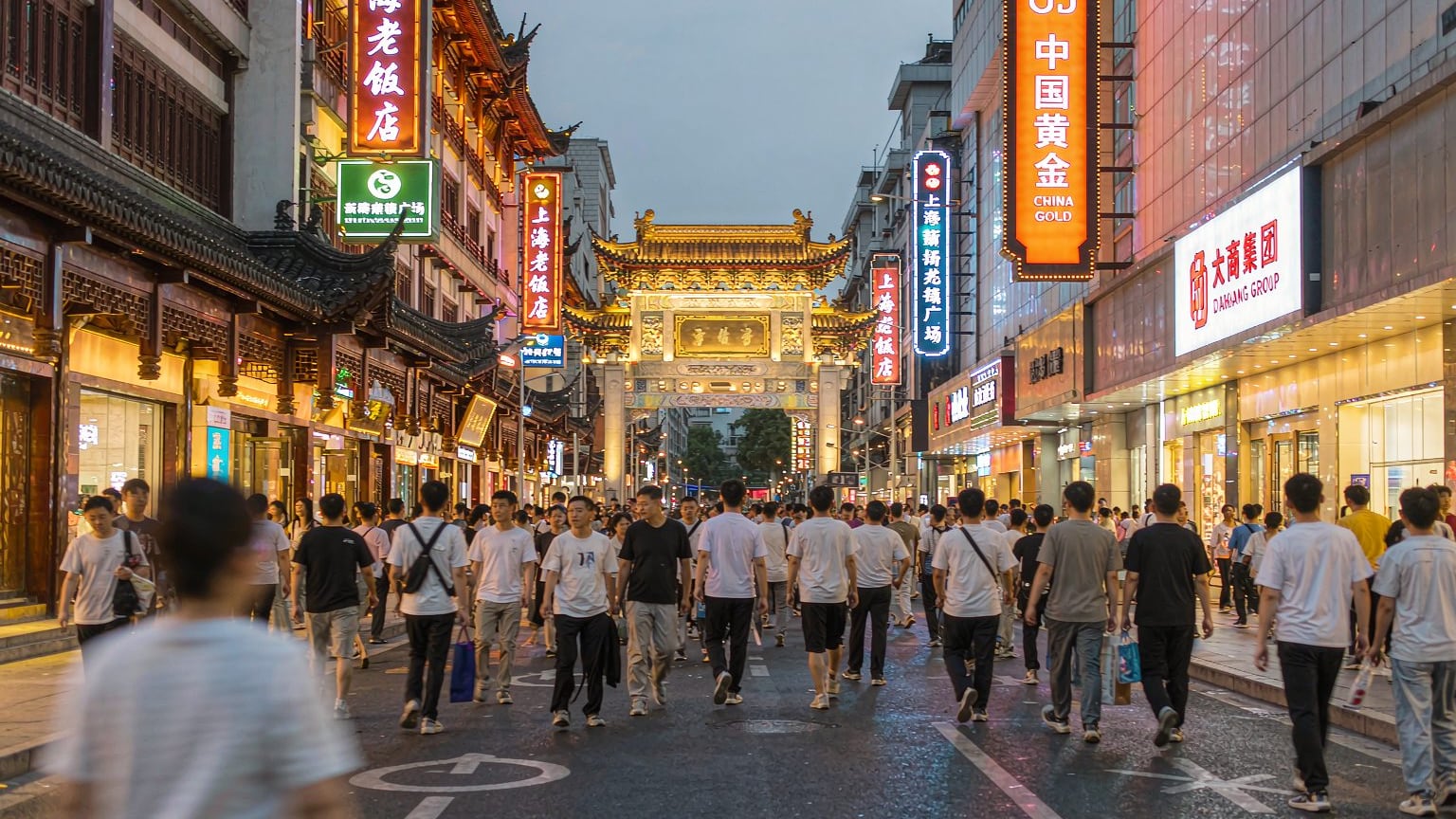
The weather is rarely what ruins a trip here. Crowds are. Three holiday windows fill every train, hotel and headline attraction in the country at once, and two of them are set by calendar rather than by season. Pick your dates around those, and almost any month works.
The three windows to avoid
| Window | When (2027) | What happens | How bad |
|---|---|---|---|
| Spring Festival | ~5–12 Feb | Family travel at national scale | Worst — book 2–3 months out |
| Labour Day | ~1–May 5 | Domestic short-haul surge | Bad, but regional |
| National Day Golden Week | ~1–7 Oct | Everything, everywhere | Very bad — and prices double |
Spring Festival is the one that catches visitors out. It moves every year — it follows the lunar calendar and lands somewhere between January 21 and February 20. It is also not a seven-day event. Offices close for about eight days, but the travel disruption starts a week earlier and takes another week to unwind.
Verify before you book: the State Council publishes the exact public holiday dates each year, usually in the preceding November. Confirm the window at gov.cn before committing to flights.
If your dates are fixed and they land inside one of these windows, our Spring Festival guide covers what actually closes and how to work around it.
Why “the best month” depends on your route
China spans roughly five climate zones. A single national recommendation is close to useless.
| Region | Best months | Avoid | Reality check |
|---|---|---|---|
| North (Beijing, Xi’an) | Apr–May, Sep–Oct | Dec–Feb | Dry cold in winter — dust storms in spring |
| East (Shanghai, Hangzhou) | Mar–May, Sep–Nov | Jul–Aug | Plum rains in June, humid heat in summer |
| Southwest (Chengdu, Chongqing) | Mar–Apr, Oct–Nov | Jul–Aug | Chongqing is genuinely brutal in summer |
| South (Guangzhou, Guilin) | Oct–Mar | Jun–Aug | Subtropical — typhoon season in late summer |
| West (Tibet, Yunnan) | May–Sep | Nov–Mar | High altitude — many passes close in winter |
The practical consequence: a two-week trip that spans Beijing and Guangzhou needs dates that work for both, and that narrows the answer to April–May or September–November.
The two reliable windows
April and May
Cherry and plum blossom in the north, comfortable temperatures almost everywhere, and the country before the summer humidity arrives. The catch is the start of May: the Labour Day holiday lands in the first week.
- Go early April, before the holiday build-up.
- Or go mid-to-late May, after it clears.
- Avoid 1–May 5 entirely if your route touches a headline attraction.
September and October
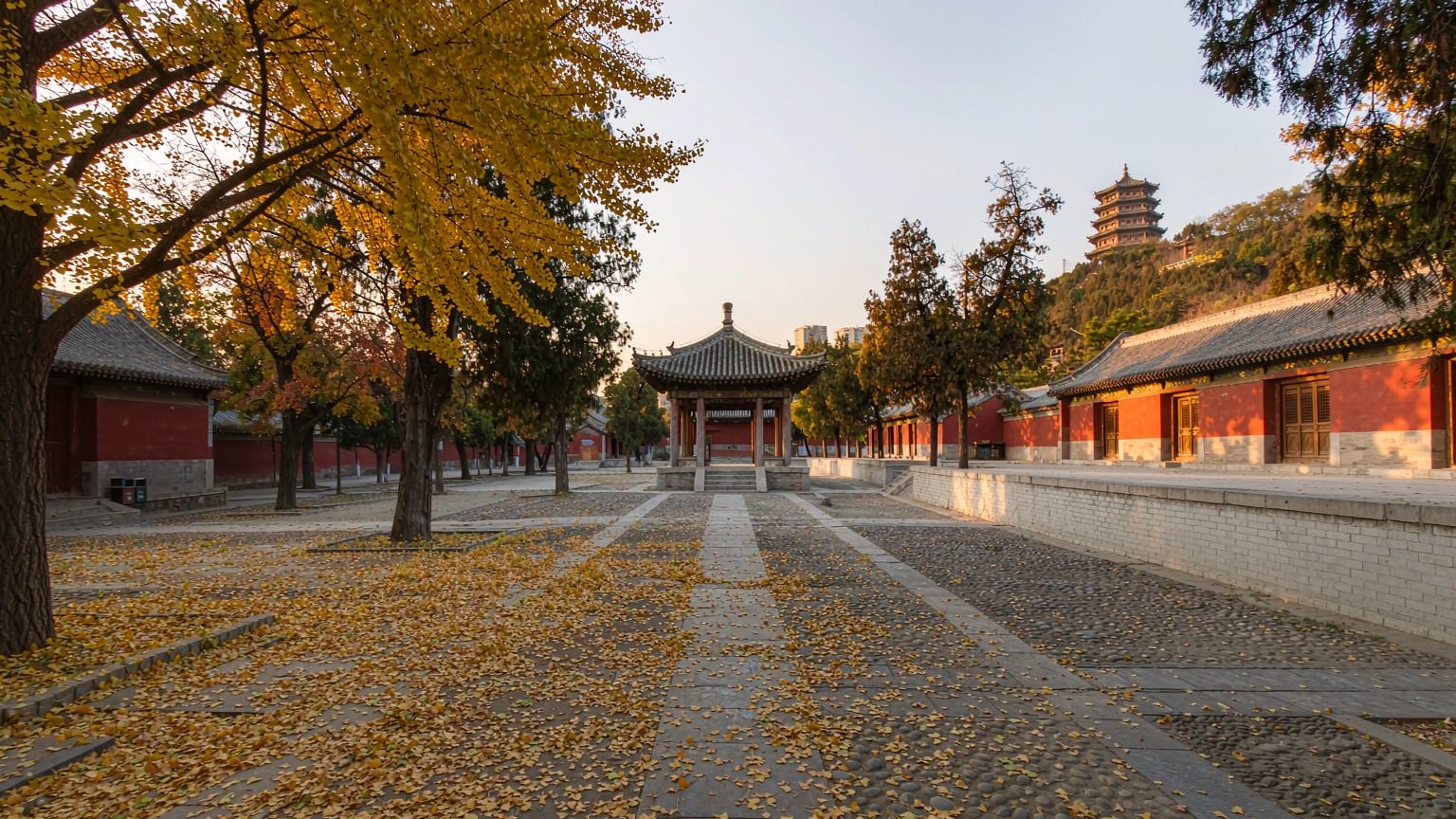
The best all-round window. Clear skies, low humidity, comfortable in both Beijing and Shanghai. The National Day holiday sits at the start of October, which creates a trap.
The move — arrive around October 8. You get the good weather with the crowds already gone home.
- Rail seats reopen as the holiday allocation clears.
- Hotel rates fall back to normal-season levels within a few days.
- The Forbidden City stops selling out in minutes — though it is still online-only, 7 days ahead.
If you can only travel in summer or winter
Summer (June–August). Hot and wet along the eastern seaboard, and the south enters typhoon season. But it is the only window for Tibet, Qinghai, Xinjiang and the northern grasslands — and Yunnan stays pleasant at altitude while the plains swelter. If your trip is western, summer is not a compromise. If it is Beijing–Shanghai–Guilin, it is.
- Shift your day — sights before 9am, indoors at midday, out again after 16:00.
- Build in a rain contingency — expect afternoon thunderstorms in the south.
- Head uphill — Yunnan and the Tibetan plateau are the escape from the lowland heat.
Winter (December–February). The north is cold but bright and mostly empty — Harbin’s ice festival is the draw. The south stays workable — Guangzhou and Sanya are warm, and Yunnan is dry and sunny.
- Pack properly — a real coat, hat and gloves turn Beijing from miserable into excellent.
- Plan around short days — daylight ends near 17:00, so keep evenings indoors.
- What you lose — outdoor Great Wall sections in ice, and some mountain roads closed.
Cold-weather Beijing is one of the best-value trips in China. Hotels drop sharply, the Forbidden City is quiet, and clear winter light is excellent for photographs. Pack properly and it beats a crowded autumn.
The cheapest months
Late November to early December, and the first half of March. Both sit between holiday peaks.
- Prices fall across hotels and domestic flights.
- Major sites are calm — the Forbidden City often has same-week availability.
- The trade-off — cold but manageable in the north, rather than truly extreme.
Where this fits in your trip
Timing is the first decision, because it constrains everything downstream — which regions are viable, what to pack, and how early you must book.
Work in this order: pick your window → check it against the entry rules → choose regions that suit that season → then build the route with our 10-day first-timer itinerary.
If you are flexible on dates, take late September. If you are not, book early and plan around the crowds instead of pretending they are not there.
Frequently asked questions
What is the single best month to visit China?
October. The National Day holiday crowds clear by around October 8, and the rest of the month delivers dry, clear, mild weather across most of the country. Late September to mid-October is the closest thing to a universal answer.
Is summer a bad time to visit China?
It is the hottest and wettest period in the eastern cities — Chongqing, Wuhan and Nanjing are genuinely punishing in July and August, and the south gets typhoon season. But it is the only viable window for high-altitude western regions and northern grasslands, so it depends entirely on your route.
How far in advance should I book for peak periods?
For Spring Festival and National Day Golden Week, book high-speed rail tickets the moment they release (about 15 days ahead) and hotels two to three months out. Attraction tickets for the Forbidden City and similar sites release 7 days ahead and sell out within minutes in these windows.
When is the cheapest time to visit China?
Late November to early December, and the first half of March. Both fall between holiday peaks, the weather is cold-but-manageable in the north rather than extreme, and hotel prices drop noticeably outside the major holiday windows.