Chinese Etiquette and Taboos: What Visitors Actually Get Wrong
The manners that matter in China — chopstick rules, tipping, queueing, gifts and face — plus the handful of things that cause real offence, and what to do instead.
China has a reputation for having a lot of rules. In practice, almost none of them will trip up a visitor who is paying attention. There are about six that matter, and one that really matters. Learn those and you can relax.
The one that matters
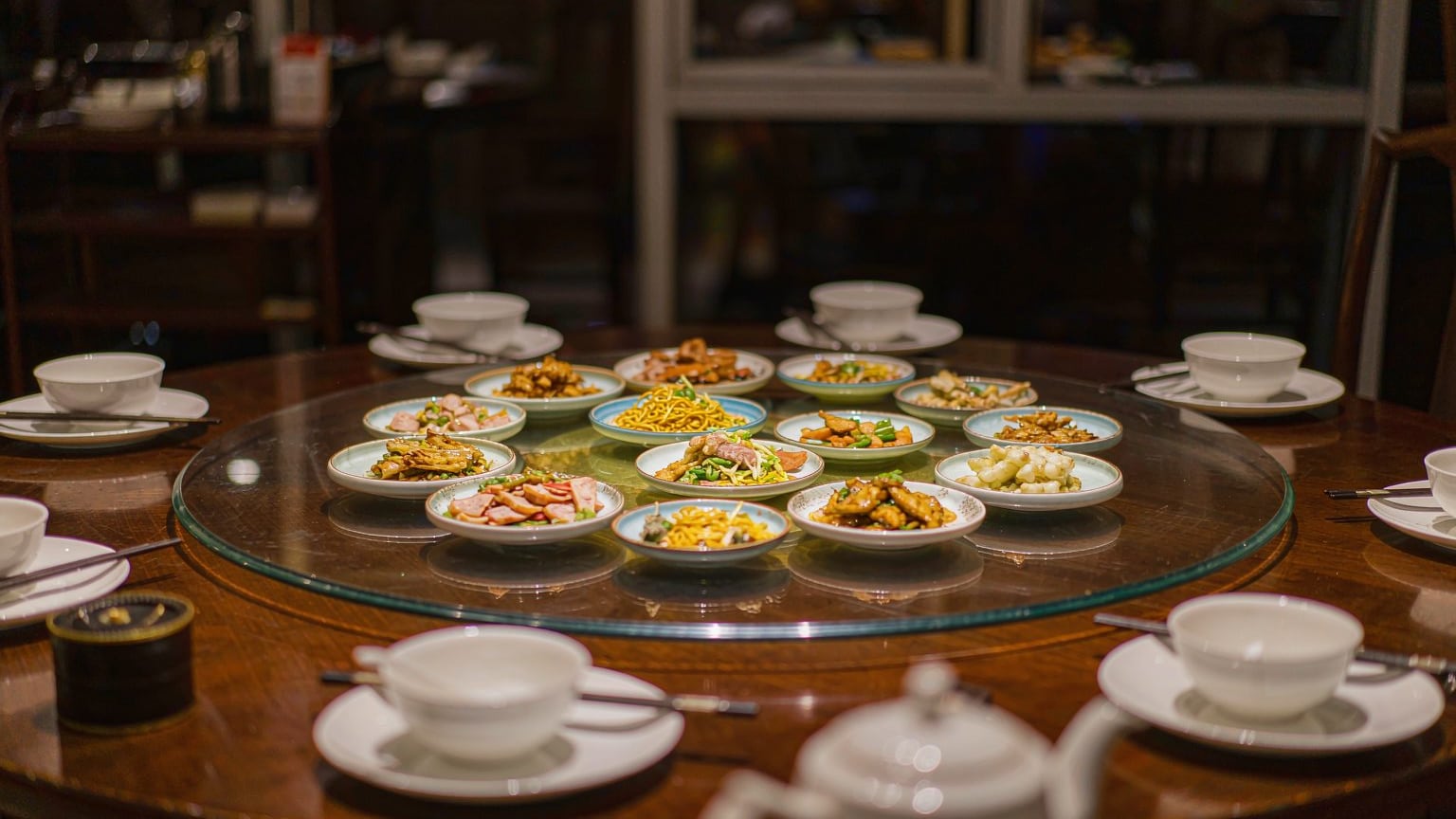
Never stand your chopsticks upright in a bowl of rice. Push them in and you have recreated the incense sticks burned at funerals. It is the equivalent of putting your feet on a dinner table — and unlike most foreigner mistakes, this one is noticed, and it is remembered.
Everything else on the chopstick list is secondary: don’t spear food with them, don’t point with them, and rest them on the holder or the bowl’s edge when you stop. All good manners. Only the upright-in-rice rule will actually land.
Money: stop tipping
Tipping is not part of the system. Restaurants, taxis, hotels, tour guides — nobody expects it, and leaving cash on the table can genuinely confuse staff, who may chase you down the street to return it. Service charges on hotel bills are baked in, not added.
This is a relief, not a trap. It also means you do not tip to signal satisfaction — you say thank you, or you come back.
On paying between friends: the bill is not split. One person pays, and the other gets the next meal. If you are the guest, let them pay. Fighting it in the moment causes more awkwardness than the money is worth. Then take the next round.
For day-to-day payment — Alipay, WeChat Pay, the QR codes — see the payments guide.
Queues, personal space and the “close stand”
A queue in China is often less a line than a cluster with an understood order. People stand closer than you are used to, and they will move into a gap if one appears.
This is not queue-jumping in the sense you mean. The order is real, it is just not geometric. The workable approach:
- Stand close enough that your place is unambiguous.
- Watch what the people ahead are doing rather than assuming a Western line.
- At ticket windows and metro gates, expect a little shoulder-to-shoulder pressure. It is not aggression.
Physical distance in general runs tighter. A shop assistant may touch your arm to guide you. That is friendly, not forward.
Gifts: the numbers and the wrapping
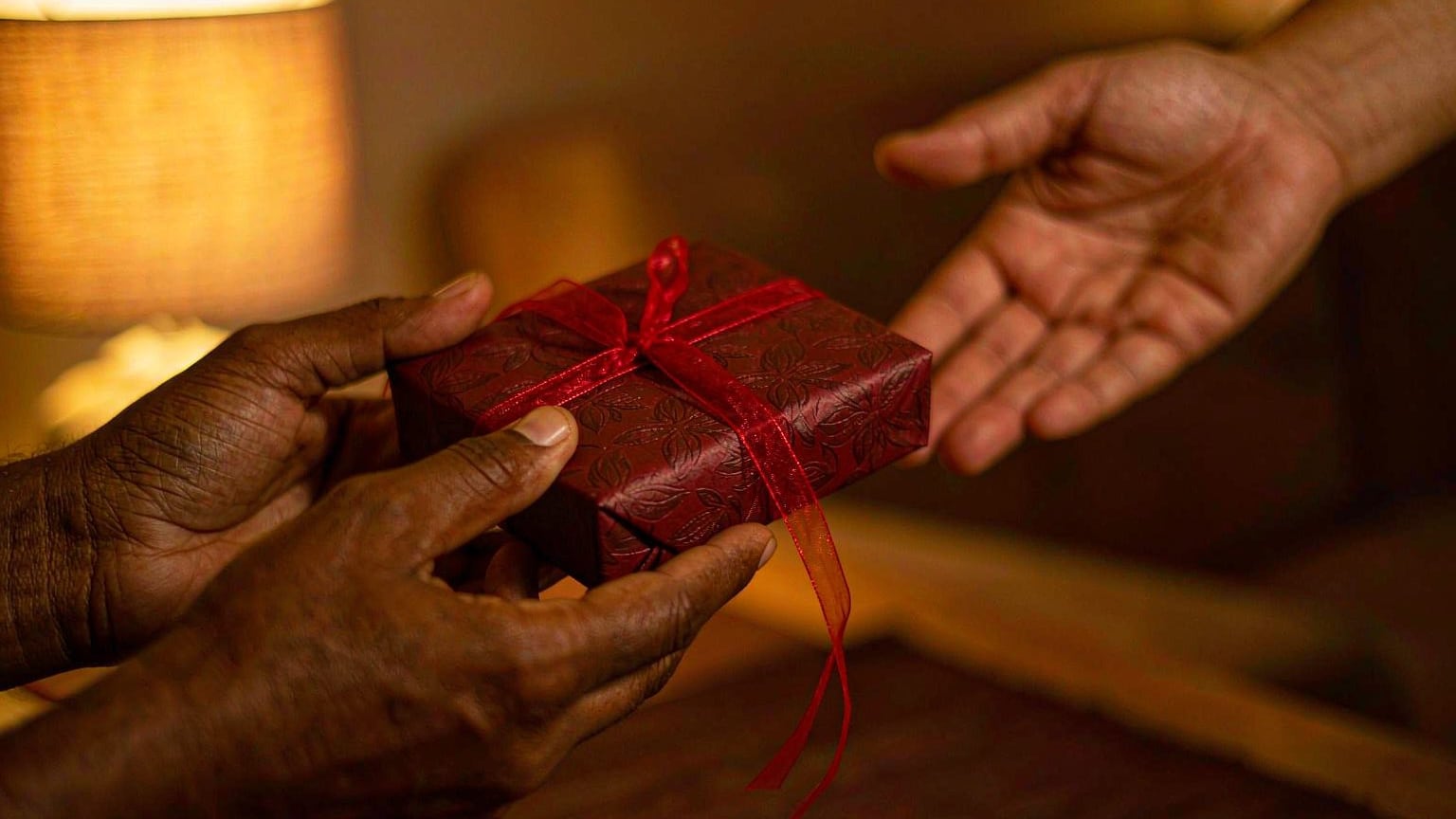
If you are meeting a host, a guest worker or a business contact, bring something small from home. The rules are narrow and easy:
- Avoid clocks — the word for clock sounds like the word for attending a funeral.
- Avoid knives — they suggest severing a relationship.
- Avoid sets of four — four sounds like death. Eight is lucky.
- Wrap in red or gold. Skip white and black, which are funeral colours.
- Present and receive with both hands.
Do not open a gift immediately if you are the one receiving. Set it aside and open it later.
Face: the thing behind the rules
Most of these rules protect the same idea. Mianzi (面子) — face — is roughly “public dignity”. The practical consequences for a visitor are modest but real:
- Do not correct someone in front of others. If a price is wrong or a booking is missing, step to the side and raise it quietly.
- Do not lose your temper in public. Loud anger costs the other person face and gains you nothing. Calm persistence works better in almost every case.
- Refuse softly. “That’s difficult” or “maybe later” often means no. Pushing on an indirect refusal is the fastest way to make a small thing large.
What to do when you get it wrong
Say sorry once, plainly, and carry on. Over-apologising draws more attention to the slip than the slip itself.
First-timers almost never cause real offence in a normal trip — the failure mode is being a little stiff, not being rude. Being curious, attempting a few words, and asking questions buys you a lot of room.
Where this fits
Etiquette is the layer under everything else. It matters most at the table, so read Dining customs next — that is where a visitor’s behaviour is most visible. Then language basics for the twenty words that handle the rest.
Frequently asked questions
Is it rude to refuse food in China?
Refusing outright can read as rejection, so accept a small amount and leave it — that is understood. If you have a real dietary restriction, say so early and plainly. "I cannot eat pork" is fine. Pushing the dish away at the table is not.
Do I need to learn to use chopsticks before I go?
No. You will be given a fork without asking if you look stuck. But learn the two rules — do not stand them upright in rice, and do not use them to spear food — because those are the ones that register.
Should I bow or shake hands?
Shake hands. A slight nod with both hands, or a hand on the forearm, reads as warmer than a firm Western grip. Bowing is not expected from visitors and doing it badly is more awkward than not doing it.
What should I do if I accidentally cause offence?
Say sorry once, plainly, and move on. Over-apologising draws more attention to it than the original slip. Most visitors cause no offence at all in a normal trip.