Chinese New Year Travel: What Actually Closes, What to Book, and the Refund Traps
Spring Festival moves every year and shuts down more than visitors expect. Here is what stays open, how early to book, and how to handle it if your dates are already fixed.
Chinese New Year is the one period where China stops being predictable. It moves every year, it shuts down more than visitors expect, and it resets the logistics of the entire country for about two weeks either side.
Whether that is a problem or the best trip you will ever take depends on one thing: whether you decide in advance how you plan to handle it.
First, the dates
Chinese New Year follows the lunar calendar, so it lands somewhere between January 21 and 20 February — a four-week spread that makes “February” a useless planning unit.
| Year | Chinese New Year Day | Zodiac |
|---|---|---|
| 2026 | February 17 | Horse |
| 2027 | February 6 | Goat |
| 2028 | January 26 | Monkey |
The public holiday runs about eight days. But the disruption is wider than the holiday:
- A week before: stations start filling, long-distance tickets vanish, prices climb.
- The eight days: most non-essential services close.
- A week after: everyone travels home at once. The return surge is often worse than the outbound.
Verify before you book: exact public holiday dates are published by the State Council each year, normally in the preceding November. Confirm at gov.cn before you commit to flights.
What closes, and what gets busier
The common assumption is that China shuts. The reality is more specific.
| Closes | Stays open — and gets busier |
|---|---|
| Offices, banks, government services | Hotels and international chains |
| Factories, construction sites | Major tourist attractions |
| Many family-run restaurants and shops | Large malls, chain restaurants |
| Some small museums and local venues | Long-distance rail and domestic flights |
| Local markets in smaller cities | Temples, temple fairs, lantern displays |
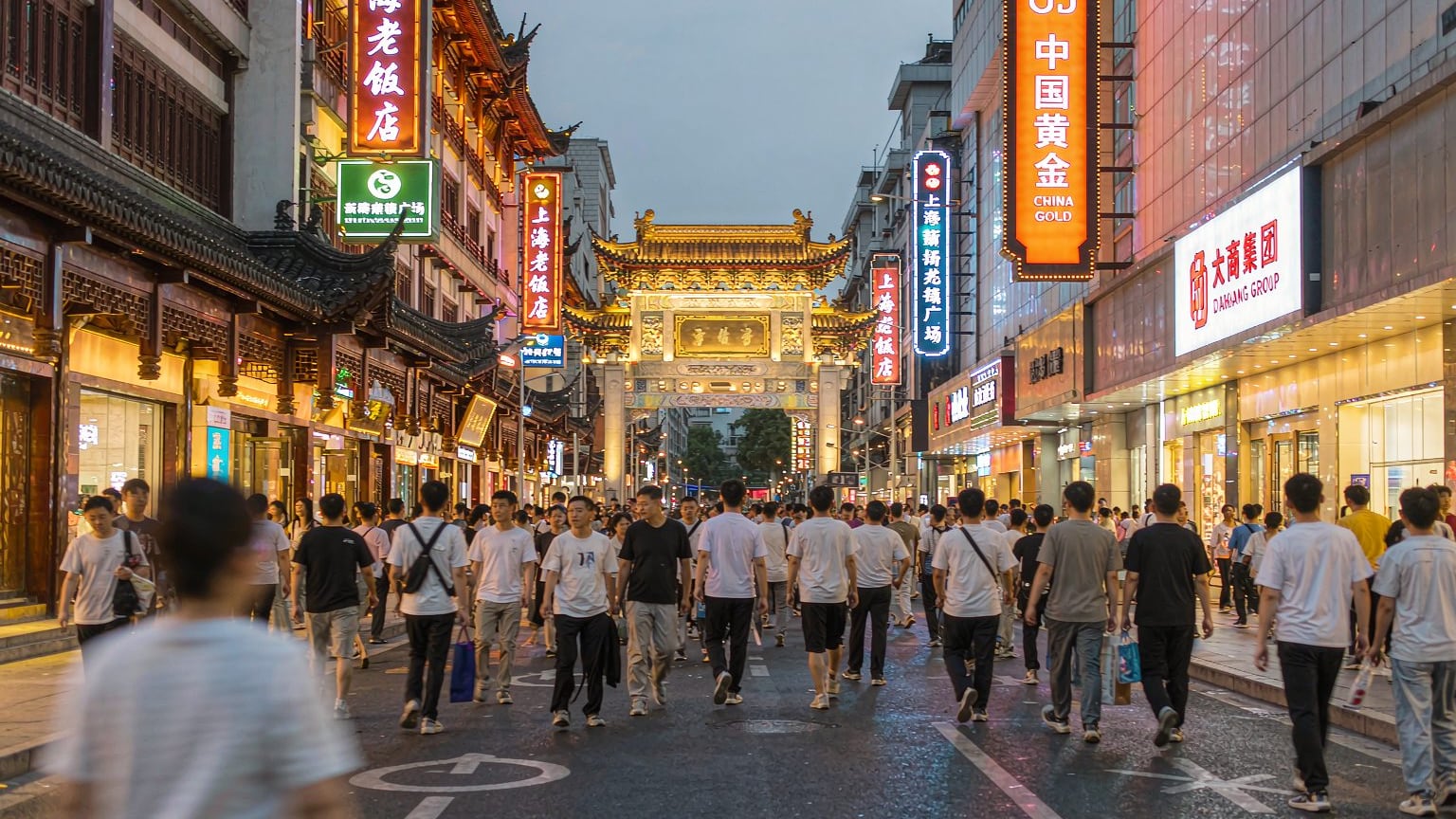
This is the key insight: the headline sights do not close. They fill up — with domestic visitors. The Forbidden City, the Great Wall and the Terracotta Army all operate through the holiday and all sell out faster than at any other time of year.
So the problem is not “everything is shut”. It is “everything is open and everyone is there”.
The three ways to handle it
1. Avoid it
The simplest option — and the right one if your priority is seeing the country efficiently. Shift your dates a week clear on either side and the whole problem disappears.
- Book for late January (before the build-up), or
- Book for late February (after the return surge settles).
- Check the best-time guide for how the window sits against the rest of the year.
2. Lean into it
If you actively want the festival, this is genuinely spectacular — and much of it happens in public, for free.
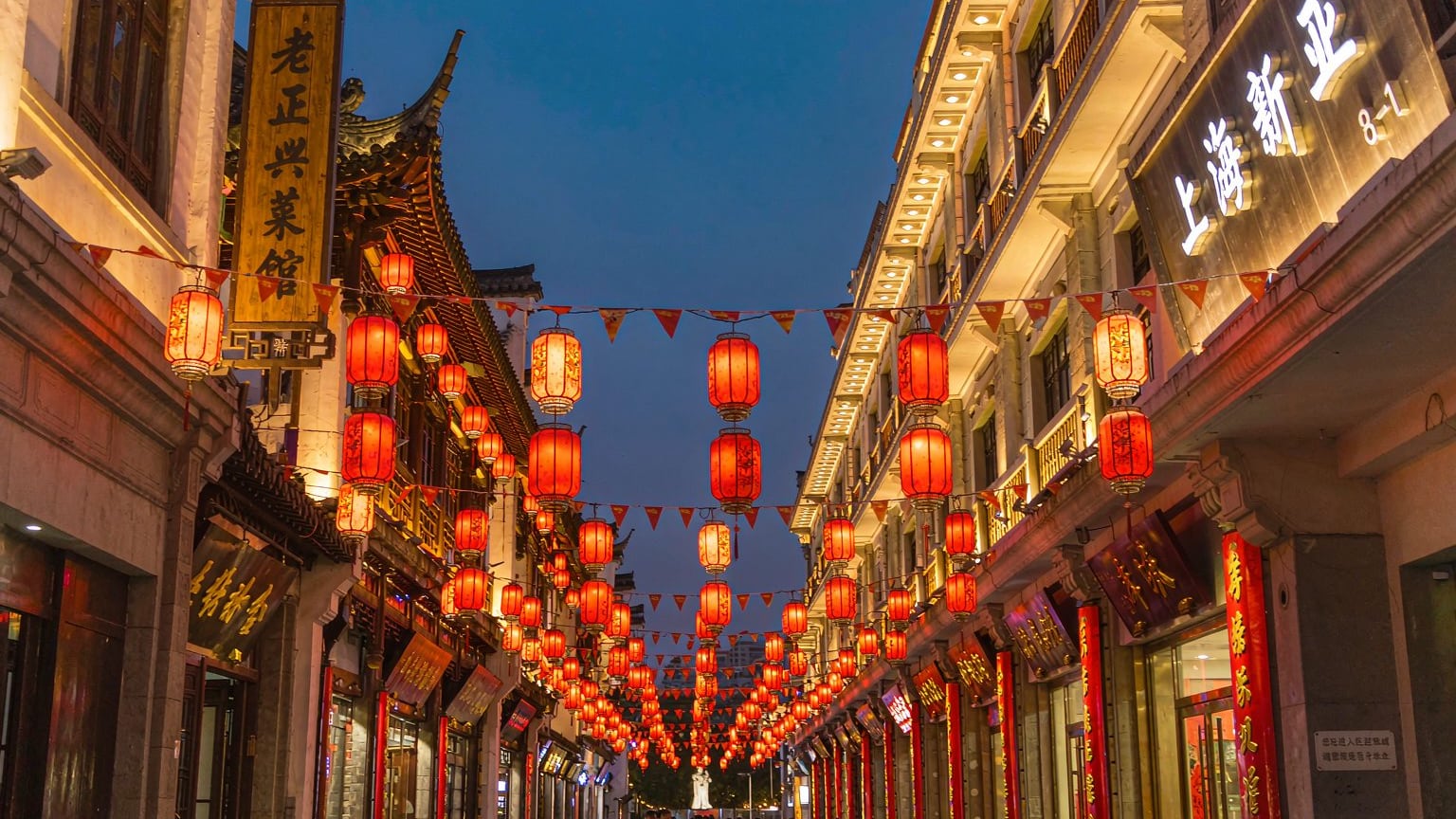
- Lantern displays go up in city parks and old quarters for the full 16 days.
- Temple fairs (庙会) run in Beijing and other major cities — food stalls, folk performances, crafts.
- Temple visits peak on the first and fifth days of the new year.
- Smaller cities are better value than Beijing or Shanghai, which empty out as residents travel home.
3. Position around it
The approach for travellers with fixed dates: use the holiday as a transit period rather than a sightseeing period.
- Move between cities on the quiet days — rather than trying to see things.
- Base yourself in one place for the core eight days instead of hopping.
- Save major attractions for the days just before or after the window.
Booking rules that actually matter
Rail is the bottleneck. Tickets release roughly 15 days ahead and the peak-day services sell out within minutes. Book the instant they open, and use the waitlist if you miss out. Our high-speed rail guide covers the mechanics.
Hotels: two to three months out. Rates in major cities roughly double during the window, and the good foreigner-friendly properties go first.
Attractions: book the moment they release. Forbidden City tickets open 7 days ahead and are gone in minutes during the holiday.
Flights: book early, and be flexible on airports. Domestic demand spikes — international routes are less affected but still pricier.
The refund traps
This is where fixed-date travellers lose money. Three things to watch:
- Non-refundable hotel rates. The cheapest rates during the holiday are almost always prepaid and non-refundable. If your plans might shift, pay more for a flexible rate — the difference is smaller than a lost booking.
- Third-party attraction tickets. Bought through a reseller, these are often non-transferable and non-refundable if you miss your slot. Buy through the official channel or a platform with a stated refund policy.
- Tight connections. A delayed inbound flight during the travel surge can cost you a prepaid, non-refundable train ticket. Build in a buffer day.
One more: the return surge after the holiday is frequently worse than the outbound. If you are flying out of China in the week after, allow more time to reach the airport than you think you need.
Where this fits in your trip
Spring Festival is not a reason to cancel a China trip. It is a reason to decide which trip you are taking — an efficient sightseeing route, or a festival experience — and to book accordingly.
Work in this order: confirm the exact dates → check your entry eligibility → decide avoid / lean in / position → then book rail before anything else.
If your dates are already fixed and they land inside the window, do not panic. Base yourself in one city, book everything early, and treat the crowds as the price of seeing China at its most alive.
Frequently asked questions
When is Chinese New Year in 2027?
Confirmed: Chinese New Year Day falls on Saturday February 6 2027, beginning the Year of the Goat, with New Year's Eve on Friday February 5 and the Lantern Festival closing the season on Saturday February 20. Not yet published: the official holiday block. Since 2025 New Year's Eve has counted as a statutory holiday day, and recent years have run eight to nine days with weekend swaps — so early February to around February 12 is the likely shape. The State Council publishes the binding dates around November of the preceding year, so expect the definitive 2027 notice in late 2026.
Is it a bad time to visit China?
It depends on what you want. If you want empty streets and easy logistics, it is the worst possible time. If you want to see the country at its most festive — lanterns, markets, temple fairs, fireworks — it is the best. What you cannot have is a normal, frictionless trip.
What is actually closed during Spring Festival?
Offices, banks, factories and many small family-run restaurants and shops close for the holiday. Hotels, large retail, chain restaurants, major tourist attractions and long-distance transport all stay open — and are often busier than usual, because domestic tourism peaks.
How early should I book for Chinese New Year?
High-speed rail tickets release roughly 15 days ahead and sell out within minutes on peak days, so book the moment they open. Hotels should be booked two to three months out. Flights into China are less affected but still pricier — book as early as you can.